
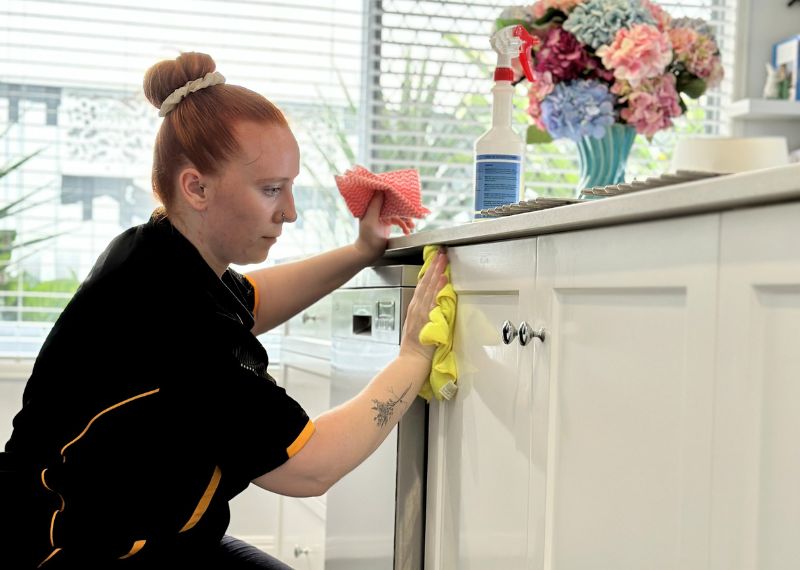
Are you the kind of person who gets a sense of satisfaction from getting a room to sparkle? If yes, house cleaning might just be the job for you.
It’s also one of the easiest industries to get into. You don’t need formal qualifications — just good time management, an eye for detail, and enough stamina for mopping and scrubbing!
If you’ve been looking at job listings, you’ve probably noticed that what cleaners earn per hour varies a lot between companies. And it’s not always clear what’s fair.
In this guide, we’ll explain what you can expect to get paid as a house cleaner in New Zealand, whether you want to apply at a cleaning company or work solo.
How Cleaners Work in New Zealand
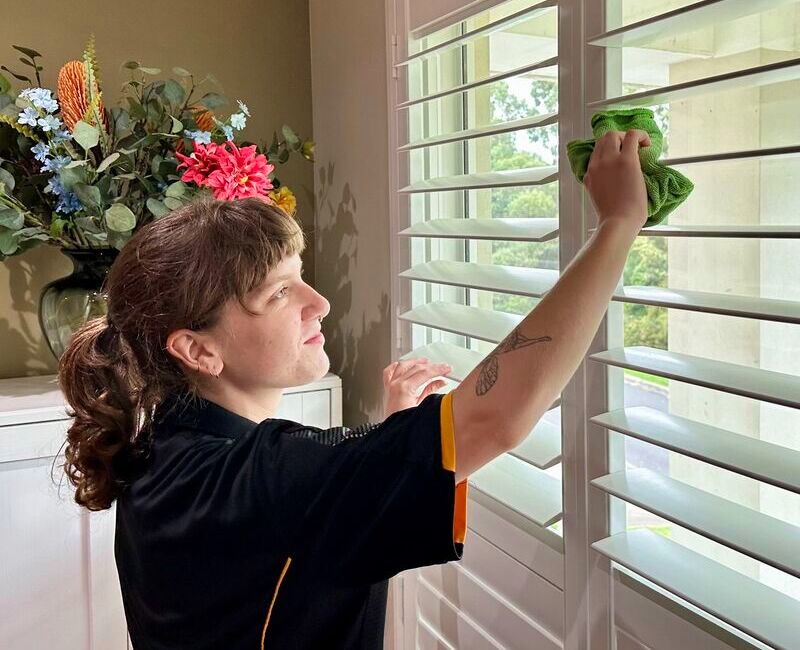
There are a few ways to become a house cleaner in New Zealand. The simplest option is to join a domestic cleaning company as an employee, but you can also be a solo contractor.
Whether you’re employed or working on your own affects your income, so it’s important to understand the different setups.
Working as a solo cleaner
Many cleaners — usually the more experienced ones — work as solo contractors, meaning they’re self-employed. They’re also called sole traders.
As a contractor, you have full control over how you work. You set your own rates, choose your hours, and decide which jobs to take. That’s why many cleaners find this arrangement appealing!
However, you’ll also be running everything yourself. That involves:
- Buying cleaning supplies and equipment
- Tracking cash flow, invoices, and payments
- Paying taxes and ACC levies (personal injury insurance)
- Finding clients, managing bookings, and handling complaints
You might also register for an NZBN (New Zealand Business Number). It’s not required, but it can make you look more professional and reliable.
Working as an employee cleaner
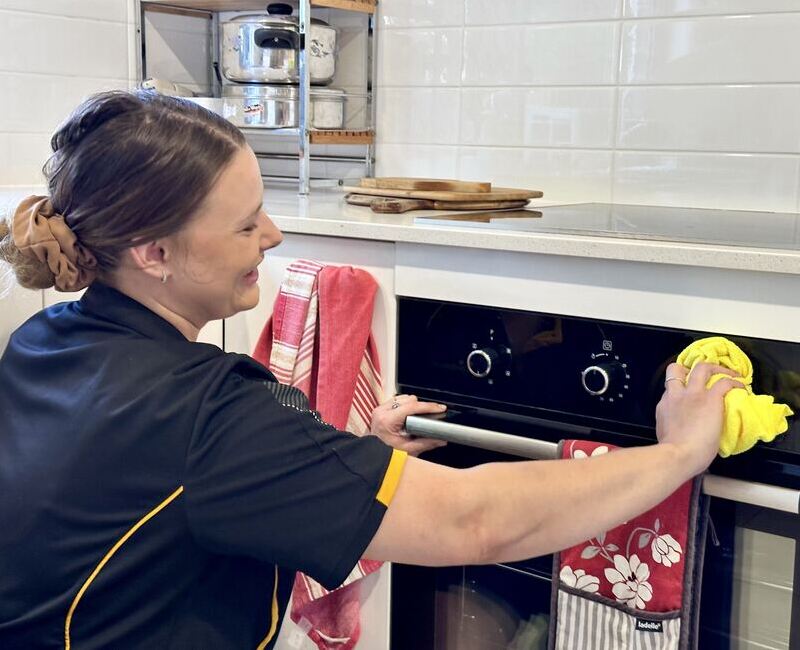
If you join a domestic cleaning company, you’ll usually be employed either as a permanent or casual cleaner.
Permanent employment gives you real stability, and it’s what we offer at Maid2Match. You’ll have an ongoing arrangement with a company, with guaranteed hours per week. That means your pay is steady and predictable.
There’s also more job security for permanent staff! A company can’t suddenly end your employment — they must have a valid, documented reason and give proper notice based on your contract.
On the other hand, casual employment is more flexible. You can usually turn down shifts if they don’t suit your schedule.
The trade-off is that work isn’t guaranteed. Your employer isn’t obligated to give you regular jobs, so your income often fluctuates.
Some casual cleaners later move into permanent roles, though. This usually happens if the company starts to rely on you regularly or your schedule has become consistent (for example, you’re cleaning the same homes each week).
How Much Do Solo Cleaners Earn in New Zealand?
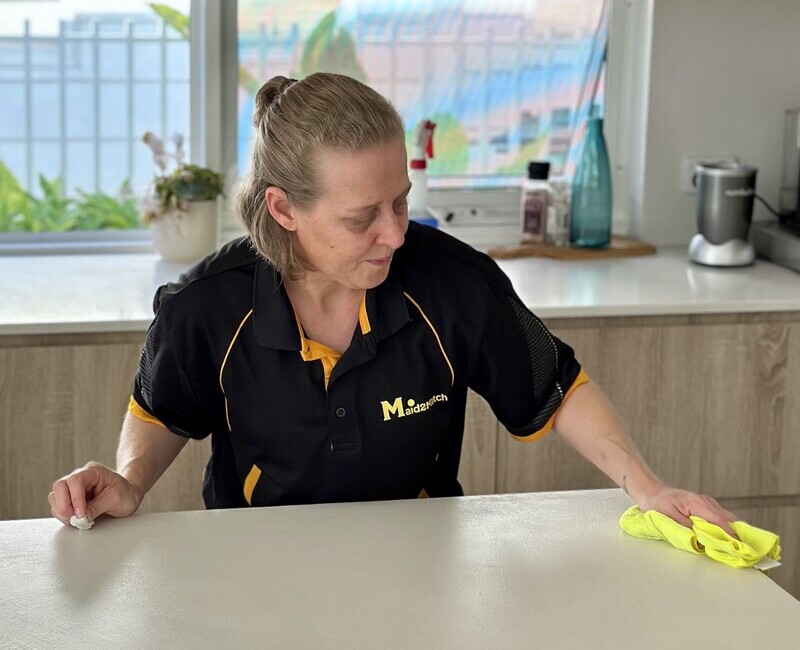
Solo cleaners typically charge $30–$45 per hour for house cleaning, but the exact amount varies depending on the location or type of cleaning service.
And keep in mind that what you charge is not your actual take-home pay!
As a solo cleaner, you’ll pay for things that an employer normally covers, such as:
- Travel costs
- Cleaning supplies
- KiwiSaver contributions
- Public liability insurance
- Income taxes and ACC levies
As your income grows, you might also need to register for Goods and Services Tax, which is typically 15% of your earnings.
On top of that, how you find clients may entail additional expenses.
Unlike employed cleaners who get jobs from a company, contractors might use online gig platforms or subcontract through agencies. These can involve transaction fees or a percentage of every booking.
Finally, keep in mind that you’re solely responsible for what you earn. If you want to go on holiday or you get sick, your income stops since you don’t have paid leave. That’s worth considering when planning your budget!
TIP: If you hate paperwork or you simply want a steady paycheck, consider a permanent cleaner role. Your employer handles KiwiSaver, taxes, ACC levies, and paid leave. A car allowance and cleaning supplies are also covered, though you’ll trade some flexibility and potentially higher hourly rates.
How Much Do Employee Cleaners Earn in New Zealand?
The New Zealand government sets and reviews the minimum wages every year. These rates apply to both permanent and casual employee cleaners.
As of April 2026, these are the base rates for house cleaning jobs:
| TYPE | MINIMUM RATE | WHO IT APPLIES TO |
| Adult | $23.95 per hour | Aged 16 and over |
| Starting-out | $19.16 per hour | New workers aged 16–19 |
| Training | $19.16 per hour | Those who need formal training |
Most employed house cleaners are paid the adult minimum, which starts at $23.95 per hour. This generally applies if you’re aged 16 or older, and you’re not starting-out or training. It also covers roles with added responsibilities, like supervising or training others.
A lower minimum may also apply for younger people who are new to the workforce or those who must undergo formal training (usually for specialised cleaning roles).
For most house cleaning jobs, though, formal qualifications aren’t usually needed. Since training happens on the job and is provided by the company, you can typically expect to be paid the adult rate.
And don’t worry — your income isn’t limited to the minimums!
Many companies offer higher wages, along with benefits and extra allowances.
A few cleaning companies even choose to pay the Living Wage. This reflects the real cost of living in New Zealand, including everyday expenses like groceries or rent.
The Living Wage has been set to $29.90 for 2026 through 2027 (up from $28.95). While the new rate was announced in April, accredited employers have until September to fully implement the increase.
Benefits and Entitlements for Employee Cleaners
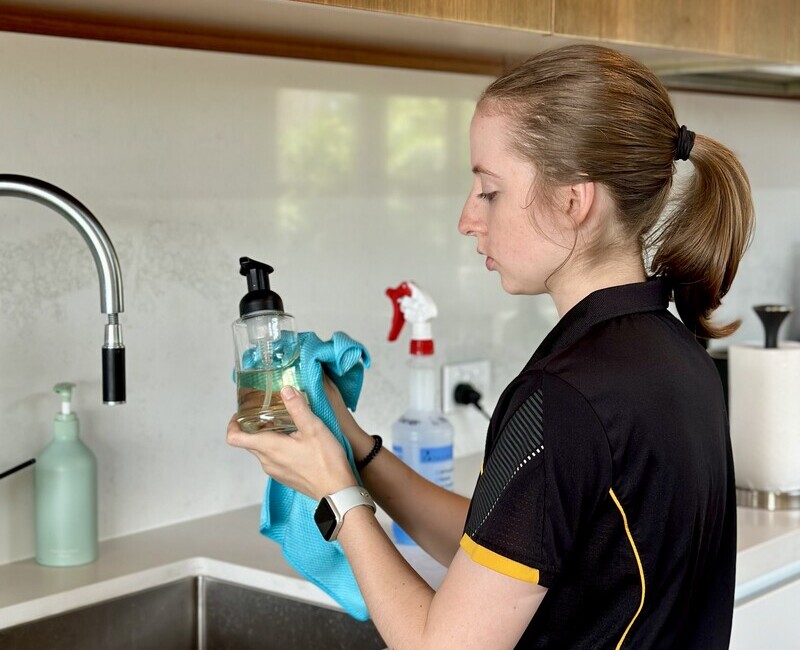
Permanent and casual cleaners are generally entitled to the same key benefits. The differences come down to stability, flexibility, and how paid leave is given.
What’s included
For casual and permanent cleaners, these are automatically deducted from the pay:
- KiwiSaver contributions
- PAYE: Pay As You Earn or income taxes
- Earner’s Levy: ACC coverage for injuries outside of work
Your employer even adds at least 3.5% of your income to your KiwiSaver, helping grow your retirement savings even more!
They also cover the rest of your ACC levies, including the Work Levy (for work-related injuries) and Working Safer Levy (a small fee that goes to WorkSafe NZ).
So even if you’re directly paying just one portion of the ACC levies, you’re still fully covered if you get injured.
Where permanent and casual cleaning roles differ
If you’re deciding between a permanent and a casual role, it comes down to what you value more: stable work or flexible hours.
It’s also worth considering how leave entitlements are given.
| PERMANENT CLEANERS | CASUAL CLEANERS | |
| Income | Steady and predictable | May fluctuate with irregular shifts |
| Job security | Advance notice is required to end employment | No guaranteed hours or ongoing work |
| Schedule | Usually 40 hours weekly for full-time; agreed minimum weekly hours for part-time | More flexible; you can turn down shifts |
| Annual Leave | 4 weeks paid leave | No paid leave; 8% holiday pay is added to your earnings |
| Sick Leave | 10 days paid leave | 10 days paid leave (if conditions are met) |
| Public Holidays | Paid if it falls on a regular working day; time and a half + an alternative day if worked | Paid time and a half + an alternative day if it falls on a day you’d otherwise work |
How paid leave works for employee cleaners
For permanent cleaners, it’s straightforward — you get paid annual leave, sick leave, and bereavement leave. There’s also family violence leave if needed.
Under NZ law, annual leave can generally be taken after 12 months of continuous employment. Sick leave, bereavement leave, and family violence leave become available after working for 6 months in the same company.
On the other hand, casual cleaners don’t get paid annual leave. Instead, 8% pay-as-you-go holiday pay will be added to your income.
Some casual workers may still qualify for sick leave or other leave entitlements after 6 months, but the criteria are stricter!
Over the last 6 months, you should have worked at least 10 hours every week and meet one of these:
- Worked at least 1 hour every week
- Worked at least 40 hours every month
Other Things That Affect Cleaner Salary in NZ
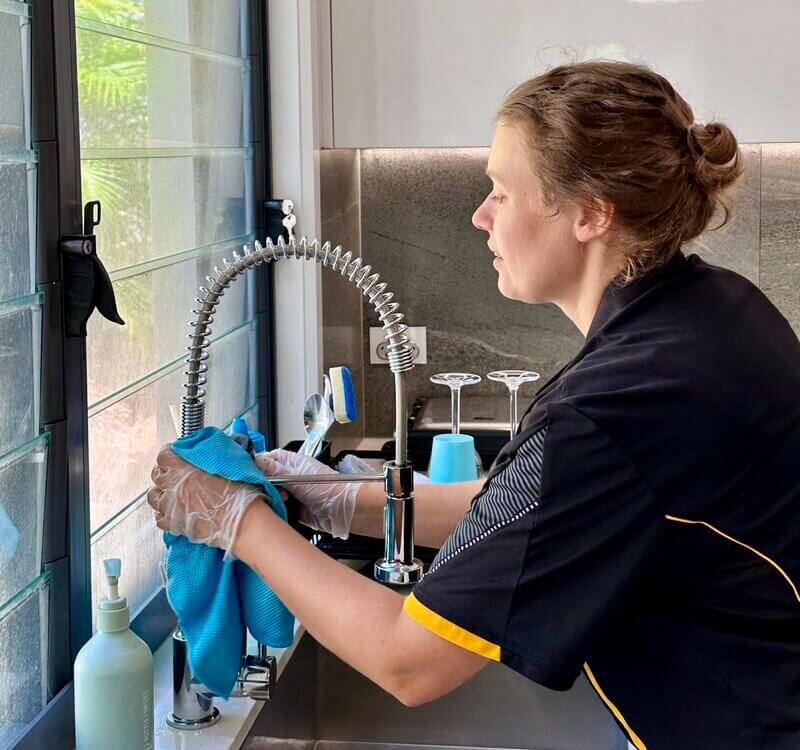
There are a few more things to consider as you’re choosing between house cleaning jobs!
Location
What you earn as a house cleaner in NZ can vary depending on where you work.
In bigger cities like Auckland or Wellington, cleaners’ pay is usually higher since the cost of living is higher. Companies might also offer better rates to encourage more people to apply.
There may also be a shortage of cleaners in some areas. If demand is high and there aren’t enough people to fill the work, pay rates tend to go up as well.
Allowances
Depending on the company, you might get extra support for petrol, uniforms, laundry, or even meals.
At Maid2Match, travel time between jobs is paid. Plus, you’ll receive a car allowance to help cover travel expenses.
You’ll also be given a uniform, along with complete cleaning supplies and equipment — cloths, sprays, a mop, and a vacuum. That way, you can just focus on cleaning itself.
In other companies, house cleaners end up buying their own supplies or paying for all travel costs. Before you accept a job, always ask what’s provided or if you should cover anything yourself!
Career progression
It can seem like there’s little or no career growth for cleaners, especially in casual roles.
That’s because casual arrangements often don’t include structured progression, so pay and responsibilities tend to stay the same over time.
At Maid2Match, our Field Staff are permanent employees — which is what allows us to build a clear career path and actively promote from within.
If you’re an experienced cleaner, you’ll join us as a Regular Field Staff and be paid the Living Wage right from day one.
If you’re new to cleaning, you’ll start as a Trainee Buddy, shadowing an experienced cleaner for several jobs. Training is paid at the full adult rate.
After that, you’ll become a Trainee Solo. At this stage, your Trainer will check in regularly and guide you as you build confidence — this usually lasts a few weeks.
Once you’re ready, you’ll graduate to a Regular Field Staff and your pay increases to the Living Wage.
With continued good performance, you can advance into roles like Field Staff Trainer or Team Leader. Each promotion comes with a pay increase.
Are You Getting the Right Pay as a House Cleaner?
Wondering if you’re paid fairly as a domestic cleaner? Here’s a quick check you can run through:
- Are you earning at least the minimum? If you’re an employee cleaner, you should be earning at least $23.95 per hour for every hour worked.
- What’s coming out of your pay? For employees, deductions should be limited to the ACC Earner’s Levy, KiwiSaver, and PAYE. Your employer should be covering cleaning supplies, equipment, and other ACC levies.
- What are you getting on top of the hourly rate? Permanent cleaners must receive paid annual leave and paid sick leave. Casual cleaners should have 8% holiday pay and, if applicable, paid sick leave.
Thinking About Working as a House Cleaner?

If you’re looking for steady cleaning work that pays the Living Wage, Maid2Match offers part-time, permanent cleaning roles in New Zealand.
As a permanent employee cleaner, you’re covered with KiwiSaver and ACC protections. We also provide complete cleaning supplies, a uniform, and a car allowance to help cover travel costs.
You’ll get structured support and clear expectations right as you start, so you know exactly how to clean homes thoroughly.
If that sounds like the kind of setup you want, head to our Careers Page to see current cleaning job openings or send through your resume!
